We're not there for you. We're here for you.
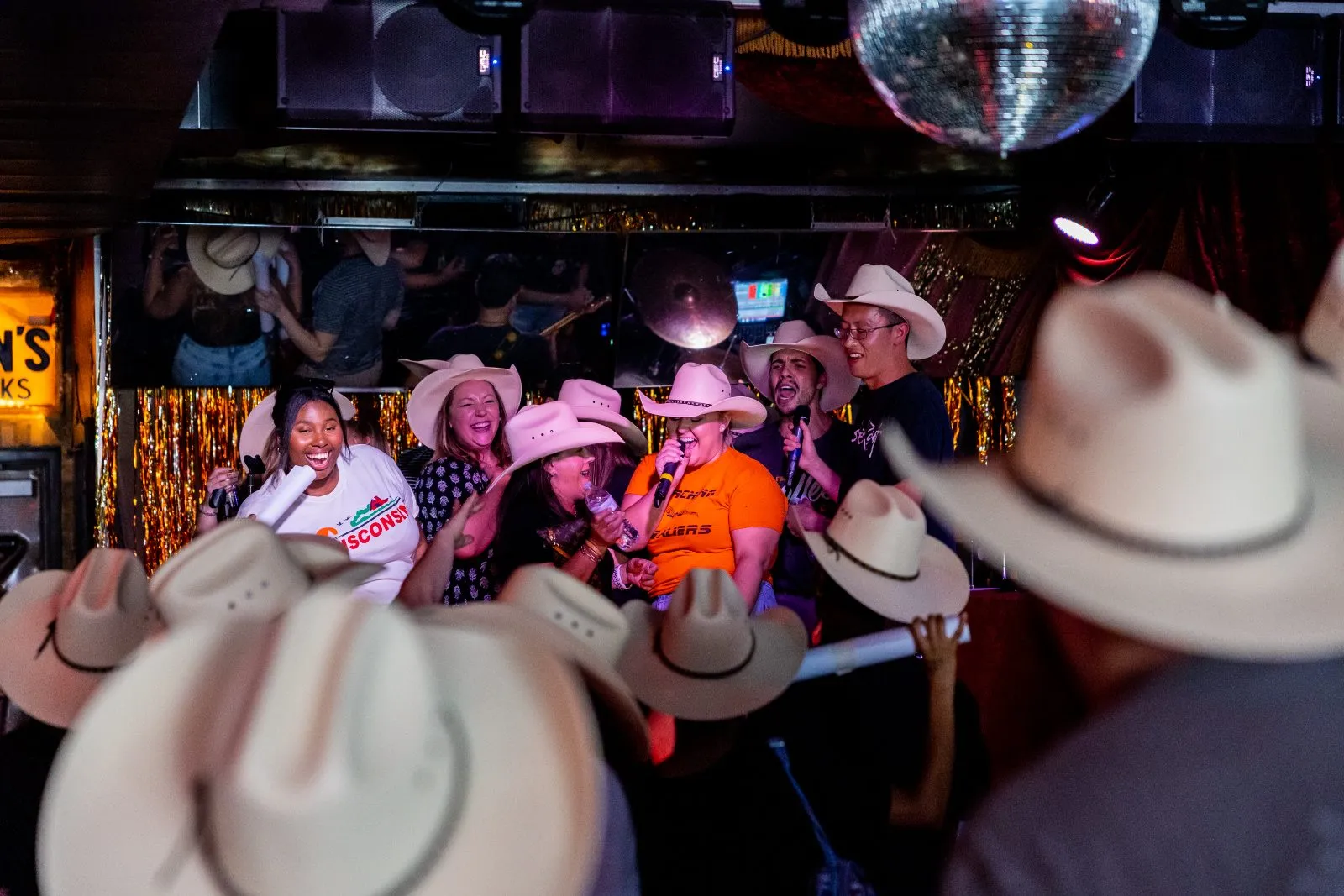
Most teams say, "we're there for you."
That usually means they're not.
Because "there" is distance. It's handoffs. It's "let me loop someone in." It's a promise made from across the room.
"We're here for you" is different.
What "here" actually means
Here means you know who to call when the plan breaks at 11:47pm. Here means we can feel a room shift before the client says a word. Here means you don't have to explain the whole backstory again to a new person who just got added to the thread.
In events, the gap between "there" and "here" is the gap between a vendor and a partner. A vendor executes the scope. A partner witnesses the whole thing with you, including the parts that aren't in the scope.
That's the standard at Fifth Street DMC and across the OMC brands. We don't want to be near your event. We want to be in it.
Presence is a design choice
Being here for someone isn't a personality trait. It's a design choice, and you can build for it.
It means small teams who own their clients instead of giant teams who pass them around. It means the same faces from the pitch room to the load-out. It means systems that hold the details so the humans can hold the relationship.
Some of our closest friendships started as client relationships. You don't get there with distance. You get there by being in the room at 5am when it counts.
The work behind the word
Here is harder than there. Here means you carry it. Here means when the client's plan breaks at midnight, your phone is the one that rings, and you answer.
We build the systems and the leadership underneath our brands precisely so they can be here, fully present, without carrying everything alone. That's the quiet job of the village: make it possible for our people to show up whole, again and again, without burning out.
So no, we're not there for you.
We're here. People First, and that includes you.